Sourcing Guides
Jacquard vs Printed Curtain Fabric: What Should Wholesale Buyers Consider?
Jacquard creates pattern through woven structure; printing applies a design to a fabric surface. The right choice depends on the collection, target market and development route.
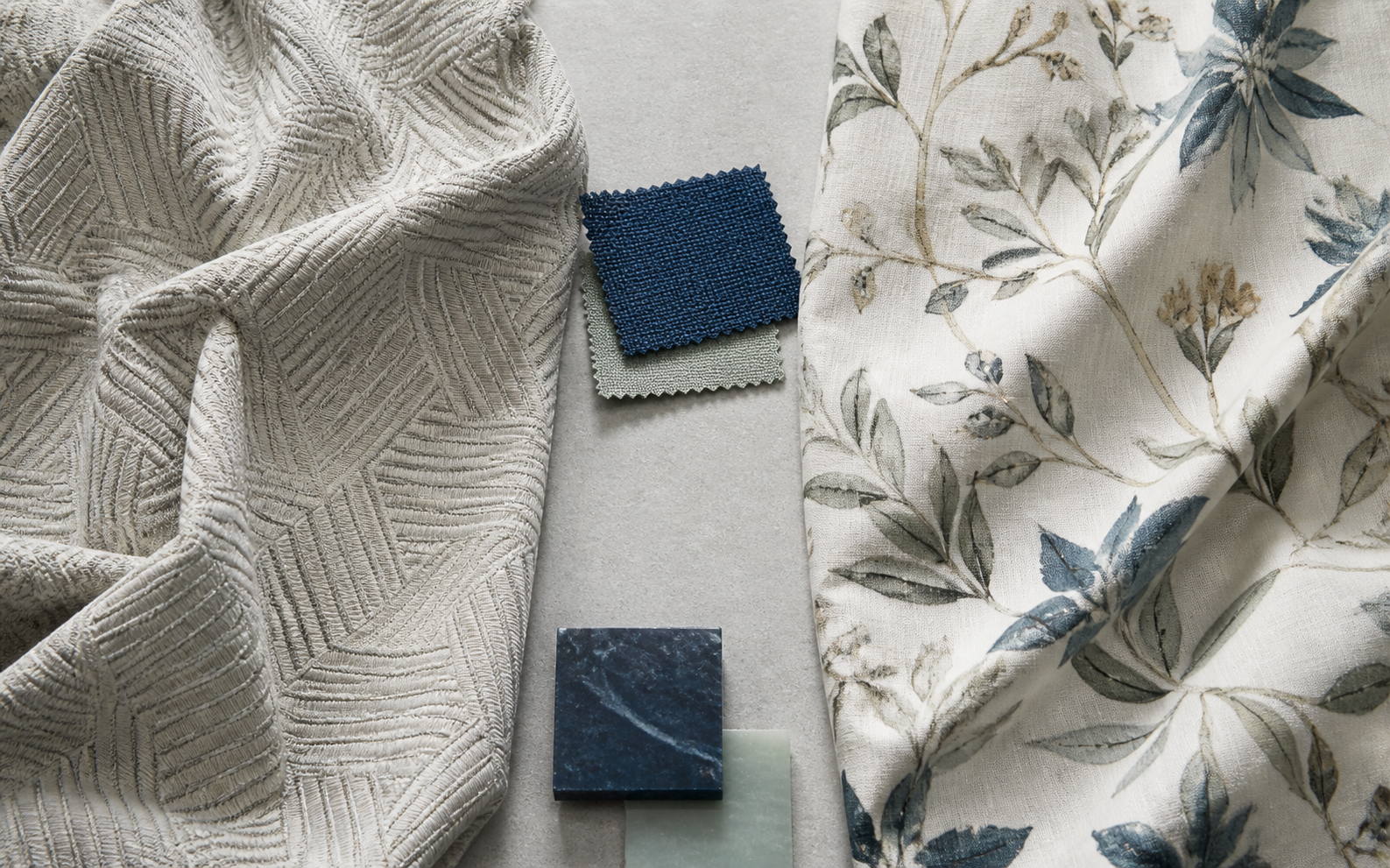
The pattern is created in a different way
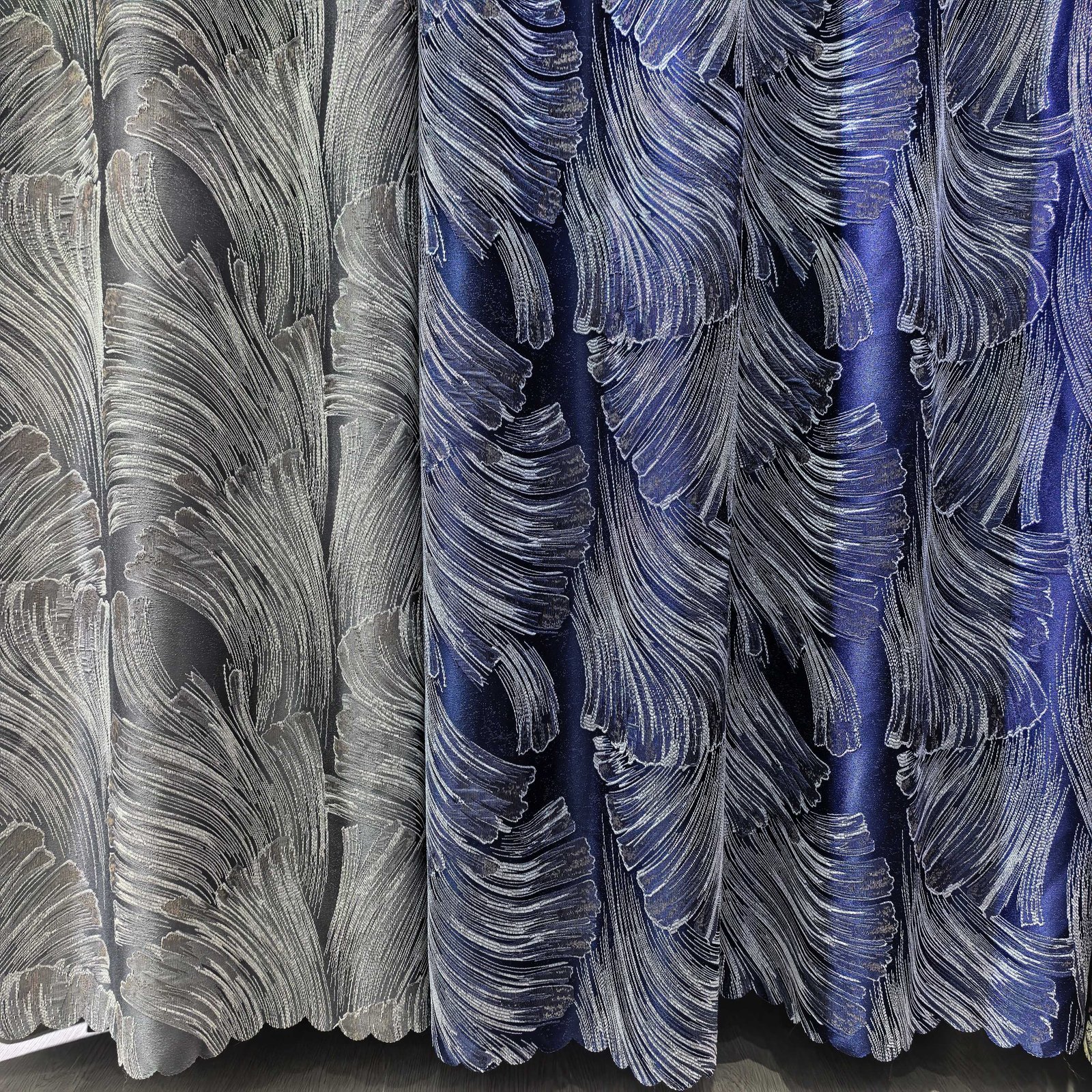
Jacquard fabric forms its motif through the interlacing of yarns during weaving. The structure can create relief, texture, tonal effects and pattern visibility on both sides. Printed curtain fabric begins with a base cloth and adds the design through a printing process.
Neither route is automatically more suitable for every program. Jacquard can support a tactile, woven identity, while printing can support illustration, broad color expression and rapid visual variation. The commercial decision should begin with the target collection rather than a generic quality ranking.
A practical comparison for buyers
| Question | Jacquard | Printed |
|---|---|---|
| How is the design made? | Built into the woven construction | Applied to a prepared base fabric |
| What leads visually? | Texture, yarn interaction and woven depth | Graphic detail, color placement and surface design |
| What should sampling verify? | Pattern definition, yarn color, repeat and hand feel | Print clarity, registration, color, base cloth and finishing |
| What affects development? | Yarn selection, weave structure and loom setup | Artwork, color separation, print route and base fabric |
| What should be checked in bulk? | Repeat consistency, shade and structural defects | Shade, registration, print defects and base-cloth consistency |
Start from market position and application
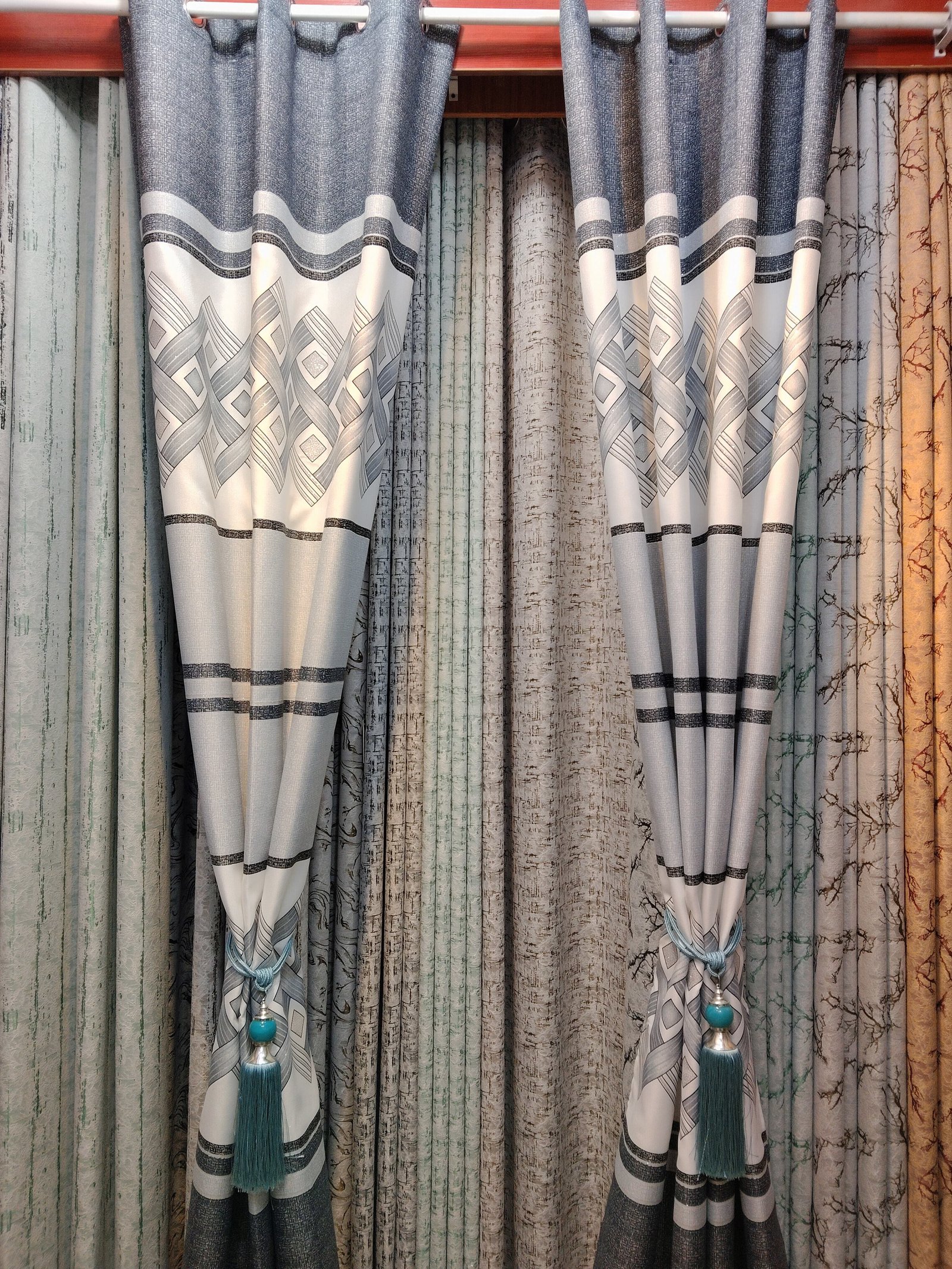
A collection aimed at understated texture may benefit from a jacquard structure even when the motif is subtle. A collection built around botanical, geometric or illustrative artwork may be better suited to printing. Hotel, residential, ready-made and fabric-by-the-roll programs can each place different priorities on drape, repeat scale, reverse-side appearance and care.
The same visual reference can also lead to different technical routes. Share the intended retail position, finished format and target use so the supplier can recommend a construction rather than simply quote the nearest photograph.
Questions to settle before customization
Custom development can affect order planning, sampling stages and color approval. Instead of asking only whether customization is possible, define what is changing: yarn color, base cloth, artwork, repeat, width, weight, finishing or packaging.
A clear brief also separates essential requirements from preferences. That makes it easier to identify which existing qualities can be adapted and which requests require a new development route.
- Is the design selected from an existing collection or supplied as original artwork?
- Which colors are fixed, and which can be adjusted after sampling?
- Does the reverse side matter in the intended curtain construction?
- What finished width and panel format will the fabric support?
- Will the program use fabric rolls, finished curtains or both?
FAQ
Questions buyers often ask
Is jacquard always heavier than printed fabric?+
No. Weight depends on the specific yarns, construction and base fabric. Compare confirmed specifications and samples rather than assuming by category.
Which option is better for custom artwork?+
Printing often suits detailed artwork, but the correct route depends on repeat, color, base fabric and intended effect. Some motifs can also be translated into woven jacquard structures.
Can both be used for finished curtains?+
Yes, when the selected fabric and finishing are appropriate. Finished dimensions, header style, lining and sewing details still require separate confirmation.
Stay updated with ZZA
Sourcing guides and product insights for professional buyers.